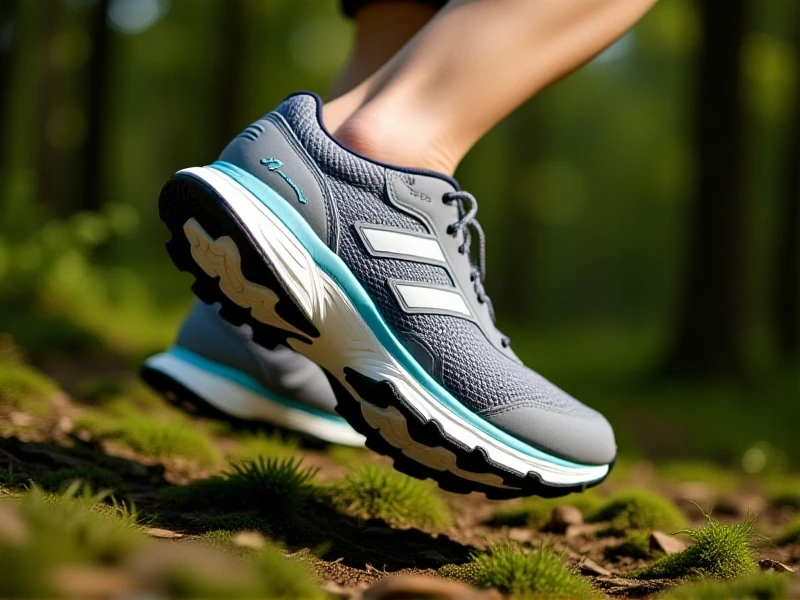
Finding Your Perfect Pair: A Runner's Guide to Running Shoes
Title:
Body:
Choosing the right running shoes isn't just about style; it's fundamental to your comfort, performance, and injury prevention. With countless models flooding the market, finding your ideal match can feel overwhelming. This guide cuts through the noise, focusing on what truly matters for your feet and your run.
The single most critical element is fit. Your running sneakers should hug your heel securely to prevent slippage, offer ample wiggle room in the toe box (about a thumbnail's width), and provide a snug, supportive feel around the midfoot without pinching. Remember, your feet swell during a run, so purchase later in the day or after a run for the most accurate size.
Beyond fit, consider cushioning. Are you a distance runner craving cloud-like plushness for mile after mile of impact absorption, or do you prefer lighter, more responsive running shoes for speedwork? Brands like Nike, Brooks, ASICS, and Hoka offer a wide spectrum, from maximal cushioning to near-minimalist designs. Understand your preference.
Support is paramount for many runners. Overpronators (feet rolling inward excessively) generally benefit from structured running shoes featuring medial posts or firmer materials for stability and alignment. Neutral runners often have more flexibility across brands and models. Visiting a specialist running store for a gait analysis remains the gold standard for determining your support needs.
Don't forget the type of running you do. Trail runners navigating uneven terrain require deeper lugs, enhanced grip, and often more robust uppers and toe protection compared to road-focused running shoes. Cross-trainers or daily trainers designed for pavement dominate the market, so match the shoe to your primary surface.
Finally, think about replacement. Quality men's and women's running shoes typically last between 300 to 500 miles. Worn-out cushioning and tread reduce shock absorption significantly, increasing injury risk. Track your mileage and look for signs like uneven sole wear or persistent aches.
Expert Tip: Look beyond just the brand name. Technological advancements like energy-return fooms (Adidas Boost, Brooks DNA Loft), sustainable materials, and specialized lasts designed for wider/narrower feet offer tailored solutions. Brands like Altra champion the natural "foot-shaped" toe box for added comfort. Whether you shop online or in-store, prioritize your foot mechanics and running goals.
Investing time in finding the perfect running shoes pays dividends. Comfort translates to enjoyment; proper support minimizes aches; the right traction boosts confidence. With this guide, you're equipped to make an informed choice. Lace up the ideal pair, hit the pavement or trail, and feel the difference. Your journey to better running starts from the ground up.