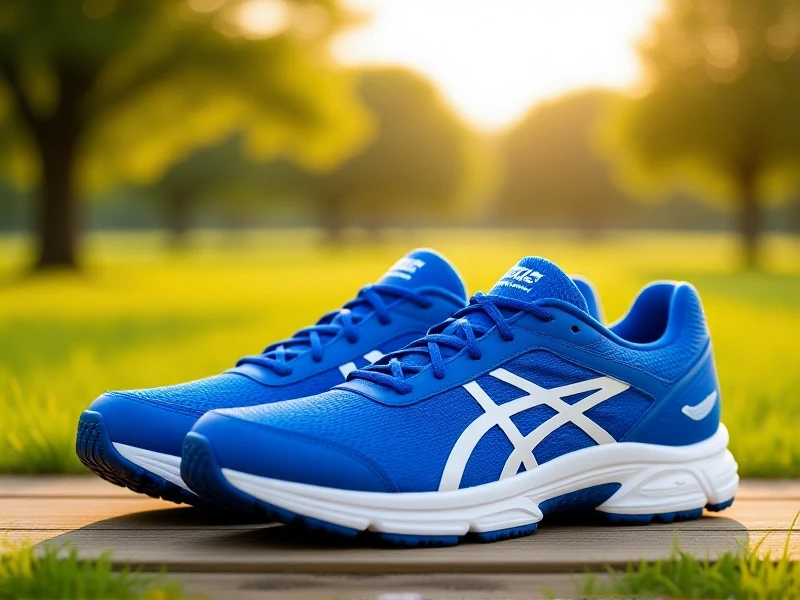
The Ultimate Guide to Choosing the Perfect Sports Shoes
Your athletic journey hinges directly on what you wear on your feet. The wrong pair of sports shoes can lead to discomfort, blisters, or even injuries. The right ones elevate your performance, enhance comfort, and support your body through every stride, jump, and pivot. Understanding how to choose the ideal sports shoes is crucial for any fitness enthusiast, seasoned athlete, or weekend warrior.
Prioritize Your Activity Not all sports shoes are created equal. What works flawlessly on the running track falls short on the basketball court. This is fundamental because different sports impose unique demands on your feet and joints. Running shoes, for example, primarily focus on forward motion and impact absorption, featuring significant heel cushioning to manage the intense forces (up to 3 times body weight!) hitting the pavement. Basketball shoes demand superior ankle support and lateral stability for quick cuts and jumps. Court sports like tennis or volleyball need shoes with exceptional side-to-side support and grippy outsoles designed for indoor or clay surfaces. Always match your sports shoes to your main activity for optimal safety and performance.
Understand Your Foot Type and Gait Knowing your foot mechanics (pronation) is key to finding supportive sports shoes. A simple "wet test" (stepping onto cardboard with a wet foot) reveals your arch type:
- Flat Feet (Overpronation): Feet roll inward excessively. Look for sports shoes with structured cushioning and motion control features to stabilize your stride.
- Neutral Arch: Feet roll inward a moderate, healthy amount. Stability shoes offer a balanced blend of support and cushioning.
- High Arches (Underpronation/Supination): Feet roll inward insufficiently. Prioritize highly cushioned, neutral sports shoes with ample flexibility to encourage natural motion and absorb shock.
Fit: Precision is Paramount Never compromise on fit. Your sports shoes should feel snug but not tight, with about a thumbnail's width of space between your longest toe and the end of the shoe. Ensure a secure heel fit without slippage and adequate room for your toes to splay naturally during movement. Width is also vital – too narrow causes pain, too wide lacks support. Always try shoes on later in the day when feet swell slightly and wear the same sports socks you train in. Walk and jog around the store to test comfort dynamically.
When Replacement is Necessary Even the best sports shoes don’t last forever. The midsole cushioning breaks down over time, losing its shock absorption ability even if the outsole tread looks fine. Generally, replace running or high-impact sports shoes every 300-500 miles, or approximately every six months for regular training. Regularly inspect your shoes: worn treads, uneven compression in the midsole (visible wrinkling or when you press down), or persistent aches after activity are clear signs it's time for a fresh pair.
Investing time in selecting the right sports shoes, tailored to your sport, foot mechanics, and precise fit, pays massive dividends. It protects your body, boosts your performance, and makes every workout significantly more enjoyable. Finding your perfect pair is one of the smartest investments you can make in your fitness journey and long-term well-being. Discover how the comfort and performance benefits can elevate your game today!