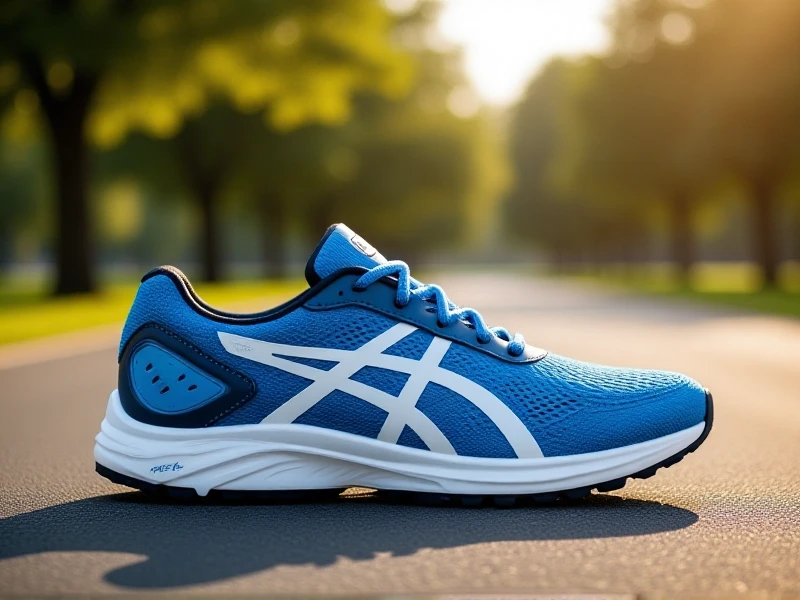
Your Ultimate Guide to Choosing Performance Running Shoes
Finding the perfect pair of running shoes is about more than just looks – it's about unlocking your potential and making every mile count. Whether you're training for a marathon, enjoying a daily jog, or looking for reliable fitness footwear, the right running shoes become an extension of you, impacting comfort, performance, and injury prevention.
Before investing in new running shoes, understand your running style and terrain:
- Road Running: The most common. Look for lightweight, highly cushioned shoes focusing on impact absorption for pavement surfaces.
- Trail Running: Demands aggressive tread (lugs) for grip on loose ground, mud, or rocks. Added protection and stability features are crucial against uneven terrain.
- Stability/Race-Day Shoes: Consider specialized footwear if you compete seriously, favoring minimalist, ultra-lightweight designs for speed.
Crucially, know your gait. Do your feet roll inward (pronation)? Most runners need neutral running shoes for natural alignment. Stability shoes offer firmness to counteract excessive inward rolling. Motion control options provide maximum support for severe overpronation. Consulting an experienced running specialty staff helps determine your specific needs.
Cushioning matters immensely. The amount and responsiveness vary drastically:
- Soft Cushioning: Prioritizes plush comfort and shock absorption, ideal for recovery runs and higher-mileage runners.
- Responsive Cushioning: Offers a firmer, more energetic "pop," suitable for tempo runs and race days.
- Balanced Cushioning: Combines comfort and energy return, versatile for various paces and distances.
Getting the right fit is non-negotiable:
- Size Up: Running feet swell. Aim for a thumb's width space at the toe.
- Fit Snug, Not Tight: Heel should lock securely without slippage. Midfoot should feel secure but not constricted.
- Test Movement: Wiggle toes freely – no pinching. Walk and ideally run (on a treadmill in-store) to test.
- Sock Consistency: Use similar athletic socks to your training gear when trying shoes on.
Remember, running shoes degrade over time. Track mileage ideally (most last 300-500 miles) and watch for visible wear. Replacing worn-out shoes is essential for performance and injury prevention.
The best running shoes for you blend the correct type, fit, and support. Don't compromise. Investing time in selecting the ideal shoe tailored to your feet and goals transforms your runs from something you do into something you love. Ready for peak performance? Stop guessing and lace up a pair truly engineered to help you run further, faster, and more comfortably. Explore our curated selection of top-performing footwear today!