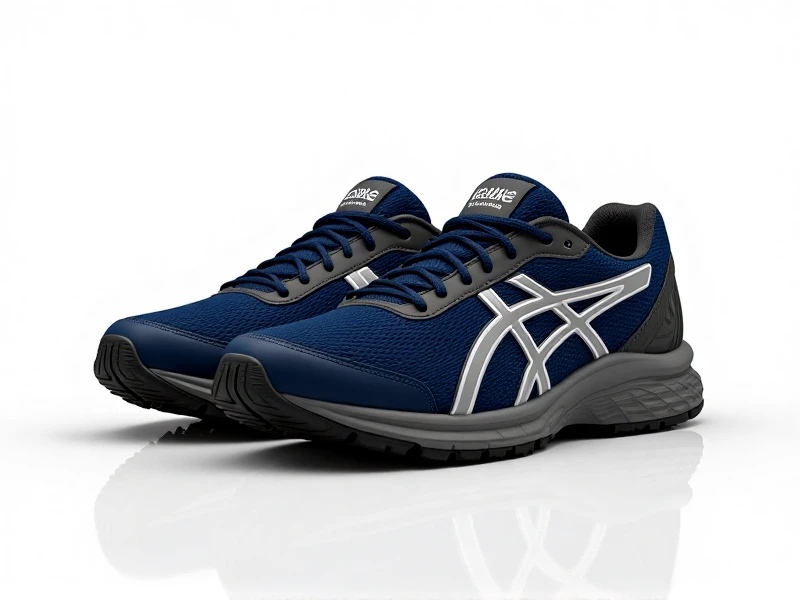
Unlock Peak Performance: Choosing Your Ideal Sports Shoes
Choosing the right sports shoes isn't a minor detail; it's fundamental to your performance, comfort, and injury prevention. The wrong pair can hinder progress and lead to discomfort, while the perfect fit powers faster runs, smoother transitions, and more powerful workouts. With countless options, understanding your needs is crucial for peak athletic experience.
Why the Right Pair Matters
Sports shoes are highly engineered machines. They provide vital cushioning to absorb impact forces protecting joints during activities like running or jumping basketball. Support features stabilize your feet, preventing excessive rolling (pronation/supination) which strains muscles and ligaments. Traction patterns on the outsole ensure grip on specific surfaces – a slippery court demands a completely different sole than a trail path. Proper fit prevents blisters and allows natural foot movement without restriction.
Key Factors in Your Selection
-
Activity Type: This dictates the primary requirements.
- Running Shoes: Emphasize cushioning and heel-to-toe transition. Design varies significantly between road, trail, and long-distance options.
- Court Sports (Basketball, Tennis, Volleyball): Require exceptional lateral support, responsiveness, and multidirectional grip for quick cuts and stops.
- Cross-Training/Gym: Balance stability, cushioning, and flexibility for lifting, jumping, and varied movements.
- Walking: Prioritize cushioning and overall support over high energy return.
-
Foot Type & Gait: Understanding your arch (high, neutral, low/flat) and how your foot rolls when you step (pronation) is vital. Many brands offer support shoes, stability shoes, or neutral cushioning shoes to match different gait mechanics. Visiting a specialty running store for a quick gait analysis can be invaluable.
-
Fit is Paramount (Size & Shape): Your ideal sports shoes shouldn't feel tight. Aim for roughly a thumb's width (about 1/2 inch) of space between your longest toe and the shoe's end. The heel should lock securely without slipping, and the midfoot should feel comfortably secure without pinching. Width matters too – cramped feet hinder performance and cause pain.
-
Cushioning & Responsiveness: How much impact absorption do you need versus energy return ("springiness")? Heavier runners or those preferring plush comfort gravitate towards maximal cushioning. Lighter runners or those seeking speed might favor responsive, lower-profile training sneakers.
-
Surface: Match the tread to where you play. Aggressive lugs are essential for trail sneakers, while flat, durable rubber patterns suit indoor courts, and smoother patterns work on treadmills or tracks.
Beyond Purchase: Optimization
Even the best athletic footwear has a lifespan. Replace training sneakers every 300-500 miles (or 6-12 months with regular use) as cushioning compresses and support breaks down. Rotate between pairs if you train frequently to extend longevity. Always tie laces securely for lockdown and performance.
Investing time in selecting the appropriate sports shoes tailored to your sport and physiology is an investment in your health and athletic goals. Experience the game-changing difference the right gear makes – step into your potential.