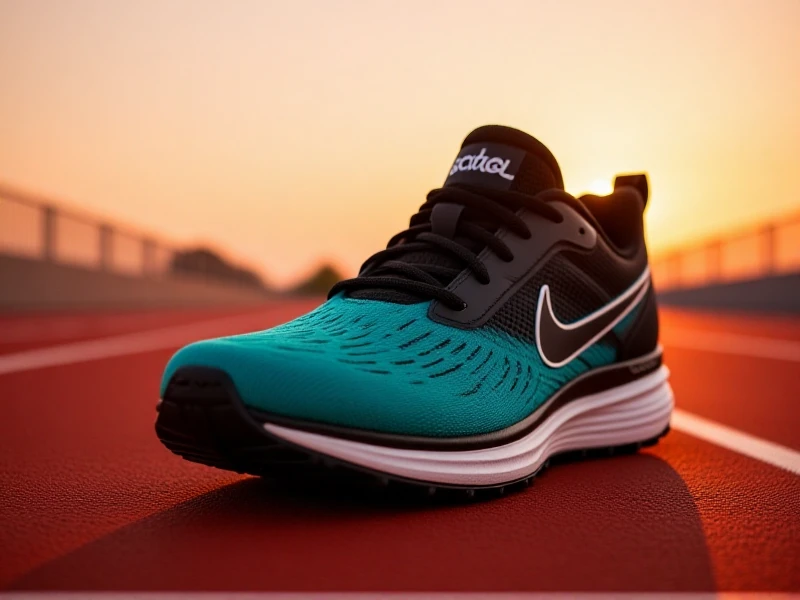
Choosing the Perfect Running Shoes: Your Comprehensive Guide
Finding the right running shoes can make a world of difference in your daily runs, whether you're a seasoned marathoner or just starting out. With so many options on the market, it's easy to feel overwhelmed. That's why we've put together this guide to help you navigate the essentials. Investing in quality running shoes isn't just about comfort—it's about preventing injuries and boosting your performance. For instance, studies show that proper footwear can reduce the risk of shin splints and joint strain by up to 30%.
When exploring types of running shoes, consider categories like neutral, stability, and motion control. Neutral running shoes are great for runners with an efficient gait, as they offer balanced cushioning and flexibility. If you tend to overpronate, where your feet roll inward excessively, stability running shoes provide extra arch support to keep you aligned. For those tackling uneven terrain like trails or rocky paths, trail running shoes feature enhanced traction and durability. Other variations include minimal shoes for a barefoot-style feel and cushioned shoes for added shock absorption on hard surfaces. Brands like Brooks, Asics, and Saucony excel in these areas, with innovations like advanced foam mid-soles that offer responsive energy return.
How do you pick the best pair? Start with your unique needs. Evaluate your running style: Are you a heel striker, mid-foot runner, or forefoot sprinter? Getting fitted at a specialty store where experts analyze your stride can help immensely. Also, consider the surfaces you frequent—road running shoes excel on pavement, while trail versions are ideal for off-road adventures. Look for key features such as breathable uppers, ample cushioning based on your weight and mileage, and durable outsoles. Aim for a snug yet comfortable fit with about a thumbnail's space at the toe. On average, runners should replace their running shoes every 300-500 miles to maintain optimal support and avoid wear-related issues.
In summary, selecting running shoes shouldn't be rushed. Take the time to research and try on different pairs to ensure they match your running goals and body mechanics. With the right shoes, you'll not only enjoy smoother workouts but also stay injury-free on your journey. Remember, investing in top-notch running shoes is an investment in your health and happiness—so lace up and hit the road with confidence! For more tips on gear and training, explore our website's resources. ( 415)