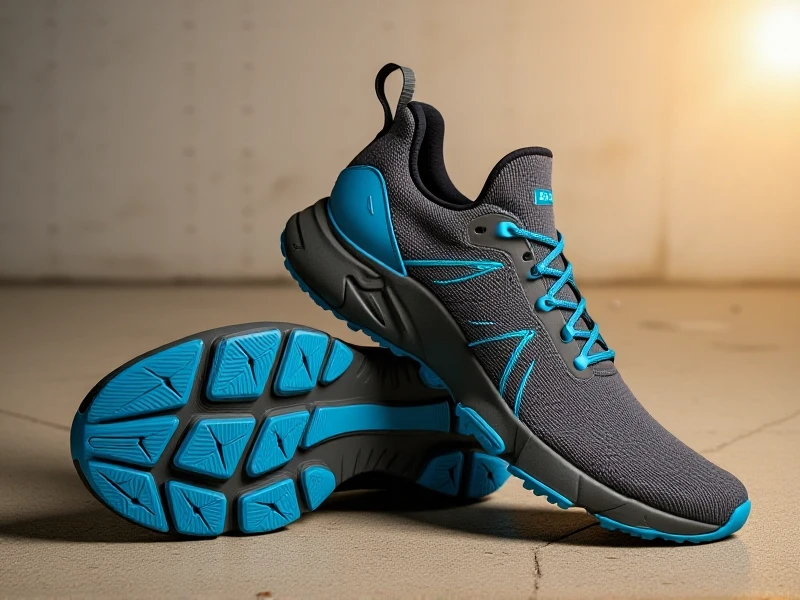
The Ultimate Guide to Choosing the Perfect Running Shoes
Here is the SEO-optimized article focusing on "Running Shoes", meeting all your requirements:
For any runner, from the weekend enthusiast to the marathon competitor, your most critical piece of gear isn't your watch or playlist – it's your running shoes. The right pair acts as your foundation, protecting your joints, maximizing efficiency, and enhancing comfort mile after mile. With constant advancements in cushioning, stability, and materials, modern running shoes are sophisticated tools designed for specific needs. Choosing the perfect pair isn't just about style; it's about unlocking your best run and preventing injury.
The journey starts with understanding the specific purpose of your running shoes. Will you primarily pound the pavement (road running shoes), tackle dirt paths and trails (trail running shoes), or seek the ultimate speed for racing? Road shoes generally offer the most cushioning and are designed for hard, predictable surfaces, making them ideal for daily training on sidewalks and roads. Trail options feature aggressive outsoles for superior grip on loose terrain, plus added protection against roots and rocks.
Once you know the terrain, consider your foot type and running mechanics, particularly pronation. Pronation is the natural inward roll of the foot as it lands and pushes off. Many running shoes cater to specific needs:
- Neutral Running Shoes: Designed for runners with a neutral gait or supination (underpronation). They typically offer cushioning and flexibility without corrective features.
- Stability Running Shoes: Incorporate technologies like medial posts or dual-density midsoles to provide gentle support and guide the foot for runners who moderately overpronate.
- Motion Control Running Shoes: Offer the highest level of support for significant overpronation, featuring rigid structures and the most substantial stability elements.
Now, get personal with the fit. Don't rely solely on your street shoe size. Your feet swell during runs, so aim for about a thumb's width (roughly half an inch) of space between your longest toe and the end of the shoe. Ensure ample space across the widest part of your foot – width is crucial. Pay attention to the heel collar; it should cradle your heel snugly without slipping. The arch of the shoe should correspond comfortably to your natural arch height. Running shoes also feature varying offsets (heels higher than the forefoot), typically ranging from 0mm to 12mm; a standard 8-10mm offset works best for most runners.
Modern running shoes leverage incredible technology. Lightweight, resilient foams provide responsive cushioning that absorbs impact without dragging you down. Engineered mesh uppers ensure exceptional breathability and targeted support where your foot needs it most. Durable rubber outsoles are strategically placed for optimal grip and wear resistance. Features like rocker soles or carbon plates can also propel you forward efficiently.
Ignore the old adage to buy based on looks alone. Invest in running shoes specifically designed for the runs you do, that match your mechanics, and that fit your individual foot shape. Visit a specialized running store if possible, where you can get fitted by experts and potentially do a gait analysis. Quality running shoes are worth the investment – they are the essential partners supporting every step towards your running goals. Step out with confidence! Consider replacing them every 300-500 miles as the cushioning degrades.