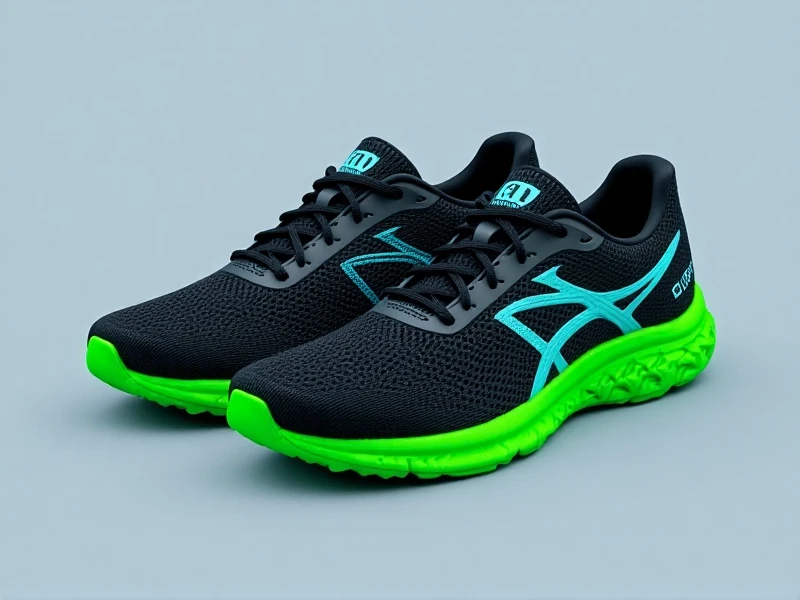
Finding Your Perfect Running Shoes: Essential Tips for Every Runner
Running is more than just a way to stay fit; it's a passion that drives millions to explore trails, streets, and personal limits. But without the right pair of running shoes, that journey can turn into discomfort, injuries, or even burnout. Whether you're a beginner tackling your first 5K or an experienced marathoner pushing for a PB, selecting the ideal running shoes makes all the difference. In this guide, I'll share key insights to help you find the best match for your feet and fitness goals, ensuring every step feels effortless and empowering.
First, let's dive into why proper running shoes are non-negotiable. Unlike casual sneakers, running shoes are engineered to absorb impact and support your natural gait. Look for cushioning systems—like EVA foam or newer gel technologies—that reduce strain on joints, especially during high-mileage weeks. For instance, runners with flat arches often need stability shoes to prevent overpronation, while neutral runners benefit from lighter, responsive designs. Remember, a well-fitting running shoe minimizes blisters and fatigue, so try them on late in the day when feet swell naturally, allowing a thumb's width of space at the toe.
Next, consider the type of terrain you frequent. Road running shoes excel on pavement with durable outsoles and ample shock absorption, while trail versions tackle rocky paths with aggressive tread and waterproof options to handle mud and roots. For versatility, hybrid running shoes blend both worlds, ideal for mixed-surface adventures. Always factor in your personal running style—if you're a sprint-focused athlete, lightweight racing shoes offer that extra zip without compromising support. Brands often update collections seasonally, so stay tuned to innovations like carbon-plated models that enhance energy return for quicker times.
Finally, when shopping for running shoes, prioritize a personalized fit. Visit a specialty store for gait analysis to identify any imbalances, and rotate between pairs to extend shoe lifespan. Aim to replace your running shoes every 300-500 miles to maintain efficiency and avoid injuries. Start your search with user reviews and reputable guides online, but nothing beats lacing up in-store to test responsiveness and comfort during a quick jog around the block.
In short, investing in quality running shoes elevates your runs from mundane to magical. By focusing on fit, features, and function, you'll boost performance and reduce injury risks. Ready to hit the ground running? Explore our detailed guides or visit a local retailer to step into your ultimate pair—and watch how the right running shoes transform every journey. Happy trails!