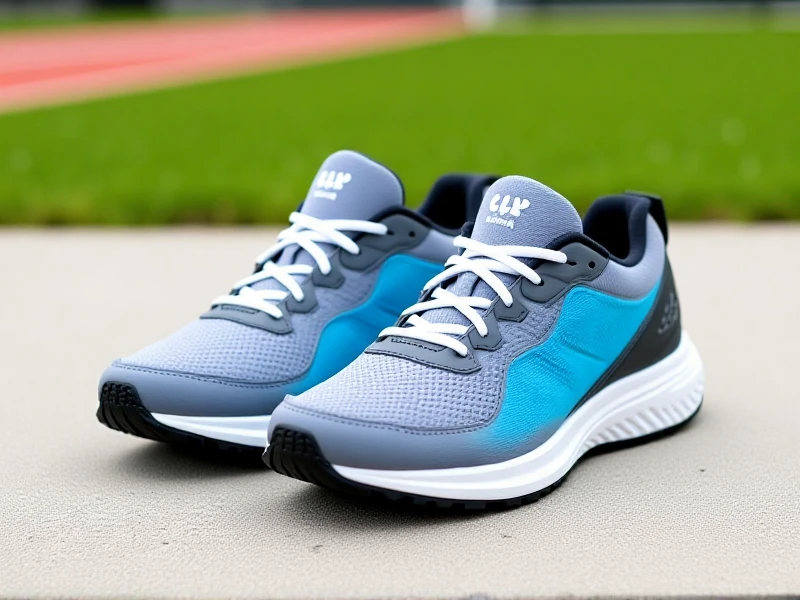
Your Ultimate Guide to Sports Shoes: Styles, Fit & Performance
Finding the perfect pair of sports shoes isn't always straightforward. With endless styles boasting different technologies, choosing the right footwear can feel overwhelming. This guide breaks down everything you need to know to find sports shoes that support your feet and enhance your performance.
Understanding Different Types:
Sports shoes are engineered for specific activities. Running shoes prioritize cushioning and forward-motion support, often featuring lightweight, flexible designs. Cross-trainers offer more lateral stability, ideal for gym workouts, HIIT sessions, or court sports requiring multidirectional movement. Basketball shoes typically have high tops for ankle support and thicker midsoles for shock absorption during jumps. Hiking shoes or boots provide rugged traction, ankle protection, and waterproofing for trails. Always prioritize shoes designed for your primary sport.
Getting the Perfect Fit:
Fit is absolutely paramount. Ill-fitting sports shoes lead to discomfort, blisters, and even injuries. Your feet swell during activity, so shop for shoes later in the day when feet are largest. Ensure a thumb's width of space between your longest toe and the shoe's end. Your heel should fit snugly without slipping. Width is critical too – your foot shouldn't bulge over the midsole. Don't assume your size across brands; always try them on and walk or jog in-store if possible. Bring the type of socks you'll wear while exercising.
Performance Factors:
Modern sports shoes incorporate advanced features. Cushioning systems (like Air, Gel, or Foam technologies) absorb impact and provide responsive energy return. The midsole's shape helps control foot movement – stability shoes support overpronation (excessive inward rolling), while neutral shoes suit efficient gaits without correction. The outsole's tread pattern determines grip on various surfaces, crucial for traction on pavement, trails, or indoor courts. Breathable uppers keep feet cool, while some designs offer targeted support structures. Consider your biomechanics and the surfaces you frequent when evaluating performance tech.
Sports Shoes vs. Everyday Sneakers:
While stylish sneakers are great for casual wear, true sports shoes provide critical functional support for athletic stress. They offer superior cushioning, stability features, and durable outsoles built for repetitive impact and specific movements that everyday sneakers lack. Using dedicated sports shoes for your activity protects your feet, joints, and enhances your workout efficiency.
Quality & Care:
Invest in reputable brands known for athletic footwear research. Inspect the quality of materials and construction. Good sports shoes are an investment in your health and performance. Extend their lifespan by alternating pairs, allowing cushioning materials to decompress. Clean uppers regularly as per manufacturer guidelines and avoid machine-washing unless specified. Replace them every 300-500 miles of running or when you notice significant midsole compression or worn treads.
Finding your ideal sports shoes involves matching the footwear's purpose with your activity, ensuring a precise fit, and understanding the performance benefits offered. Prioritize comfort, function, and support. Your feet – and your performance – will thank you. Remember to read reviews and consult experts at specialty running or sports stores for personalized advice.